Work
Working in Italy for Tunisians
The training-abroad route outside the quotas: who qualifies, programs, documents and offers
In short On this page
Tunisians can work in Italy legally outside the Decreto Flussi quotas through the training-abroad route: complete an approved vocational, language and civic training program, then an Italian employer files the Nulla Osta request. As of October 2026 the route is not an open visa for every Tunisian: you need an approved program that is open, found through ANETI and the official Portale Integrazione Migranti list.
- 1. What is the training-abroad route to work in Italy?
- 2. Who can use the training-abroad route?
- 3. Which programs and occupations are available to Tunisians?
- 4. How do you apply for a training program from Tunisia?
- 5. Which documents do Tunisians need to apply?
- 6. How does the training for Italy work?
- 7. Where are official job offers for Italy published?
- 8. How do you spot a fake job offer for Italy?
- Frequently asked questions
- Official sources
Are you Tunisian and looking for a legal way to work in Italy?
There is a special mechanism under Italian immigration law that allows, in specific cases, foreign workers who have completed approved vocational, language and civic training programs in their home country to enter Italy to work outside the Decreto Flussi quotas.
But one essential point needs to be clear: this is not an open work visa for every Tunisian, and it does not mean the Italian government gives every applicant a job contract automatically. You must meet the requirements of an approved program, and then the hiring procedure and the Nulla Osta request follow the legal route.
1. What is the training-abroad route to work in Italy?
The training-abroad route is a legal way for foreign workers who completed approved vocational, language and civic training in their home country to enter Italy to work outside the Decreto Flussi quotas.
The Italian immigration law, the Testo Unico Immigrazione, regulates a special route for certain foreign workers who completed vocational, language and civic training in their home country, provided the programs are approved under Italian rules.
The key advantage of the training-abroad route is that workers who meet its conditions do not need a place in the Decreto Flussi quotas.

The training-abroad route can be simplified as follows: approved training in Tunisia → hiring, or matching the worker with an employer → Nulla Osta request from the Italian employer → work visa → travel to Italy → residence and work procedures.
This guide covers the training-abroad route from Tunisia up to the end of the training. The next steps, from the Italian employer to your arrival in Italy, are in part 2: the work contract in Italy, the Nulla Osta and the work visa.
2. Who can use the training-abroad route?
Only a Tunisian who is part of an approved training program and meets the conditions set by that program can use the training-abroad route; it does not apply automatically to every Tunisian who wants to work in Italy.
There is no single fixed list saying the training-abroad route is always limited to six occupations. Occupations and sectors depend on the programs that are approved and currently open.
So the right question is not: which jobs are in demand in Italy? It is: which approved training programs are currently open to Tunisians, and is there one that fits my occupation and training?
3. Which programs and occupations are available to Tunisians?
Approved programs for Tunisians cover trades in sectors such as construction, hospitality, mechanics and restaurants, and the list changes over time as new programs are added and existing ones end.
There are Tunisia-linked programs in several sectors, including construction and public works, tourism and hospitality, mechanics and maintenance, restaurants, as well as other industrial and service sectors.
One well-known project is THAMM Plus, a cooperation program that aims to train and integrate Tunisian workers in Italy, especially in the construction sector.
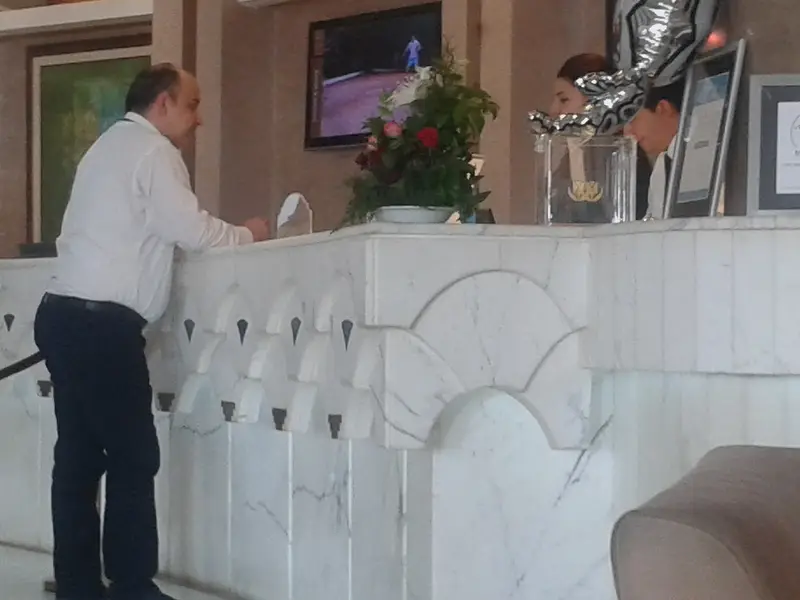 Hospitality
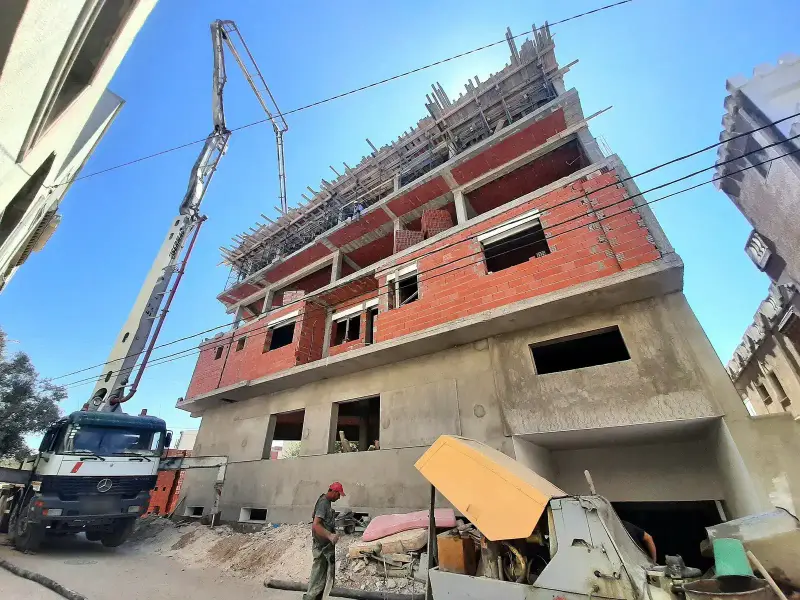 Construction
 Restaurants
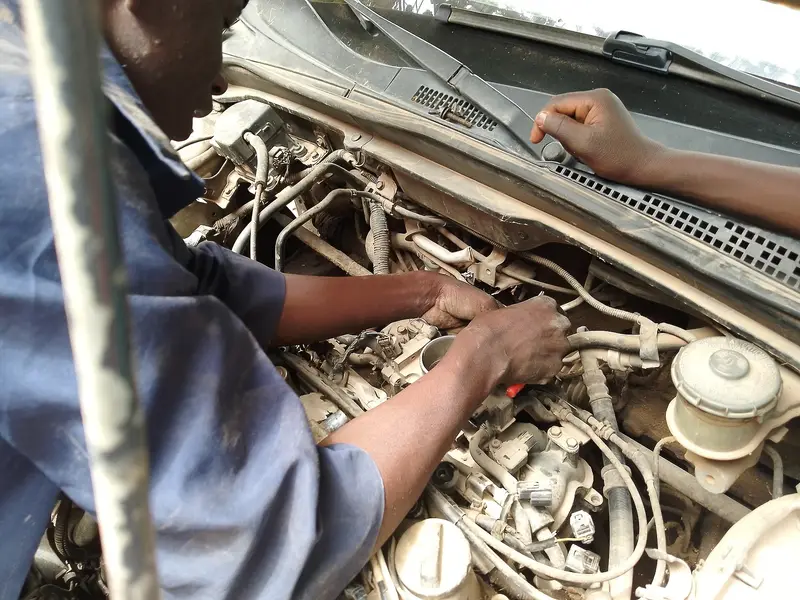 Mechanics
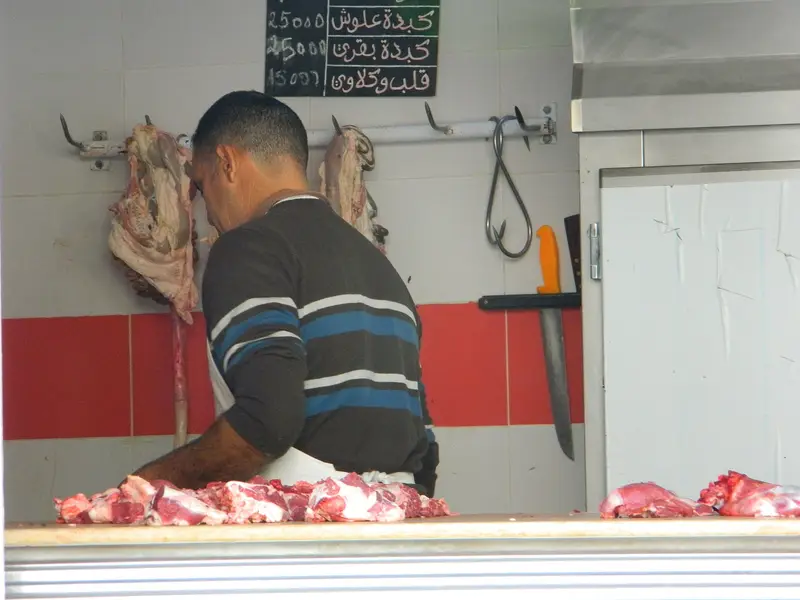 Butchery
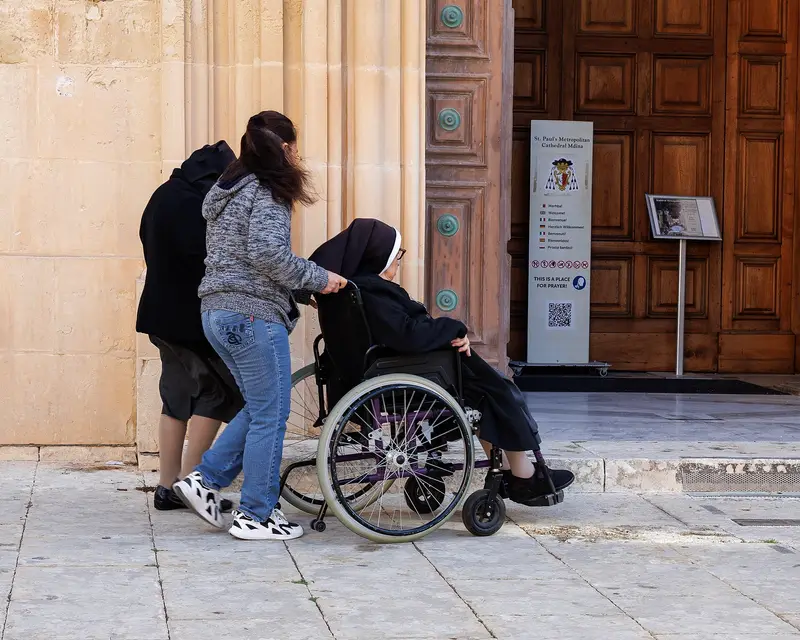 Care work
 Manufacturing
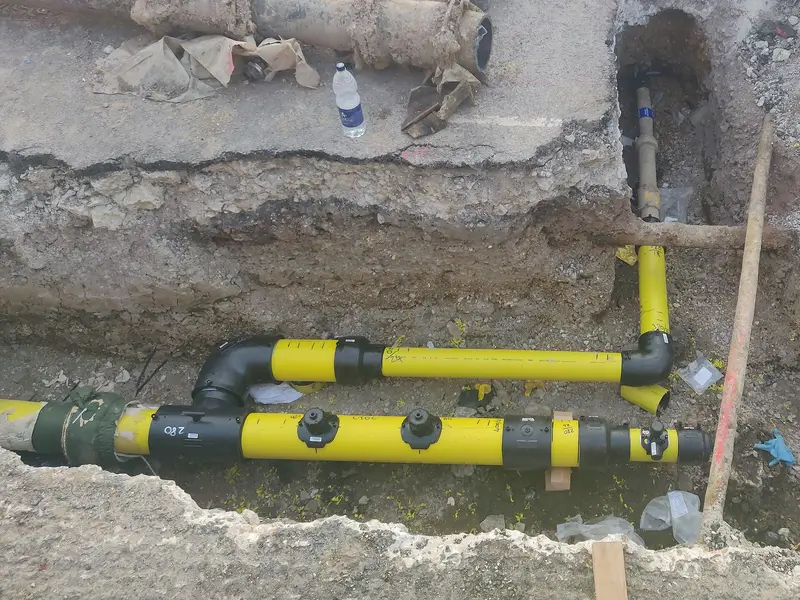 Gas networks
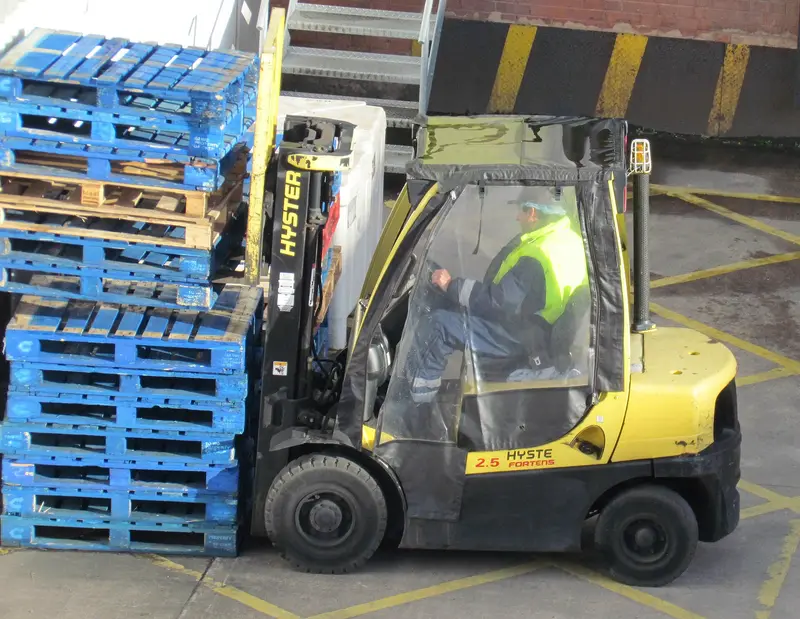 Logistics
To see which approved programs exist for Tunisia and where each one stands (starting, in progress), check the official list of approved training programs abroad (opens in a new tab) on Portale Integrazione Migranti.
A program appearing on the official list does not mean applications are open right now. It may be at the launch stage, under way, or its application period may have ended. So always check the current announcement and the program's status with the official source.
4. How do you apply for a training program from Tunisia?
Tunisians apply through ANETI and ANETI International: register as a candidate, find a current offer for Italy, apply through the form named in the offer, then pass the tests and interviews.
Step 1: Follow the official channels
Do not start by buying a work contract from an intermediary on Facebook or WhatsApp. Watch for job and training programs published through ANETI and the other official bodies taking part in the program.
For some Italy-related job offers, applicants must register with their local employment office and then use the international employment system to apply.
Create your candidate account on ANETI International. Registration is free: create a candidate account (opens in a new tab). Already registered? Log in here (opens in a new tab). Some offers ask you to be registered both at your local employment office and on ANETI International, with the same national ID card (CIN) number.
See the current offers for Italy. ANETI International lists the offers it is currently publishing, and you can filter them by country: current job offers for Italy (opens in a new tab). Open each offer to read its requirements, contract, documents and deadline.
Step 2: Make sure your occupation matches the offer's requirements
Each offer sets its own requirements. You may be asked, for example, for a vocational training diploma (for example a BTP, brevet de technicien professionnel, or a BTS, brevet de technicien supérieur, the Tunisian vocational diplomas), a certificate of competence, documented work experience, a professional driving licence for some jobs, or other requirements tied to the occupation or the program. Do not rely on a general list posted on social media; read the official offer itself.
Apply through the form named in the offer. For recent offers, applying is not a button on the offer page: you fill in a form on ANETI's applications platform (opens in a new tab), using the exact link given in the offer. Always start from the offer, never from a link someone sends you privately.
Step 3: Pass the tests and interviews
In some projects, once initial applications are accepted, applicants go through an interview and/or a practical trade test. The test may be directly tied to the occupation, especially for technical and skilled-trade jobs.
Get help to prepare. ANETI International offers help with your CV, job interviews, technical tests and your application file: see Your project abroad (opens in a new tab).
5. Which documents do Tunisians need to apply?
Most offers for Italy ask for a valid national ID card and passport, a vocational diploma or competence certificate, and proof of work experience; the exact list depends on each offer. Prepare the file in advance, because the application window for some job offers is short.
- National identity card: a clear copy, still valid.
- Passport: make sure it is valid.
- Vocational diploma (such as a BTP or BTS) or the required training or competence certificate.
- Previous work certificates, especially when experience is part of the offer's requirements.
- Proof of work experience, such as official documents showing employment dates when they are required.
- Criminal record certificate when requested.
- Professional driving licence for some transport and driving jobs.
6. How does the training for Italy work?
The training for Italy is the core of the training-abroad route: an approved program can combine vocational training in the trade, Italian language, civic training and occupational safety basics.
If you already hold a BTP or a BTS in your trade, keep it ready: some offers ask for a vocational diploma on top of the program's training.
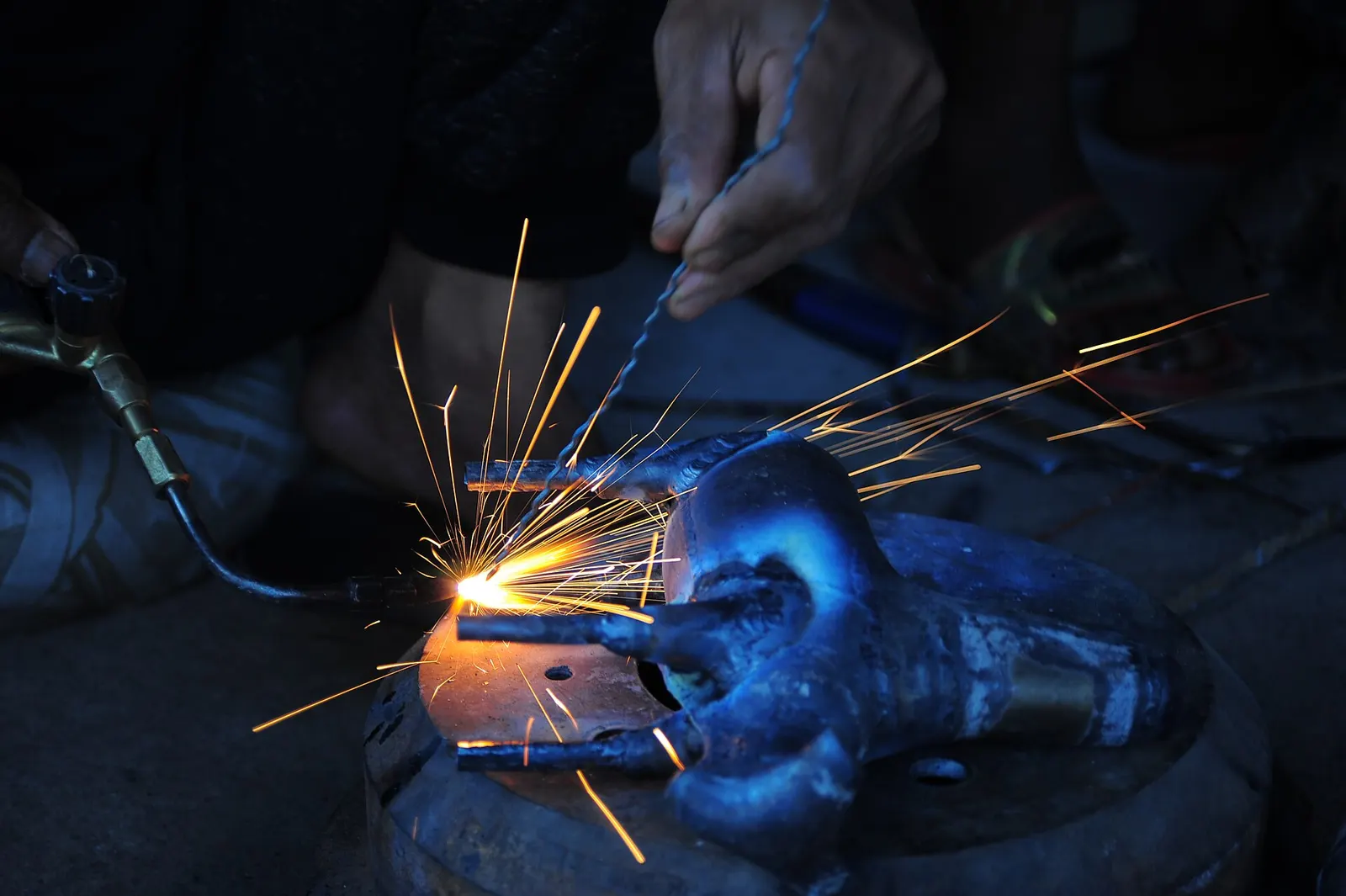
The length of the training varies from one approved program to another, so no single duration should be presented as a general rule for all programs.
Once the training is complete, the hiring stage begins with an Italian employer. Read how Tunisians get a work contract in Italy after the training for what happens next.
7. Where are official job offers for Italy published?
Official job offers for Italy are published by ANETI and ANETI International, in each program's official announcement, and on the Italian Ministry of Labour and Portale Integrazione Migranti sites, not in social media groups.
- ANETI and ANETI International: publish the job and training programs for Tunisians and host the candidate account you apply with. See the current offers for Italy (opens in a new tab).
- The official announcement of each program: read the requirements, the sector and the application period yourself.
- Official Italian portals: the Ministry of Labour and Portale Integrazione Migranti list the approved training programs abroad.
Posts promising a guaranteed job in Italy are a classic warning sign. If a job offer for Italy cannot be found on an official channel, treat it as unverified.
8. How do you spot a fake job offer for Italy?
A job offer for Italy is a scam when someone asks for money in exchange for a guaranteed contract, job or visa; genuine offers go through official channels such as ANETI, and the Nulla Osta is requested by the Italian employer.
Before paying or signing anything, check the offer with ANETI, the Tunisian Ministry of Employment, the Italian Ministry of Labour, the Italian Ministry of the Interior, and the Italian Embassy in Tunisia.
The Tunisian Ministry of Employment and Vocational Training warns about fake job offers and unlawful bodies that ask job seekers for money for work abroad.
To know what a real hiring file looks like, read what the Nulla Osta is and who requests it.
Frequently asked questions
Can a Tunisian work in Italy outside the Decreto Flussi quotas?
Yes, in specific cases. The Testo Unico Immigrazione lets foreign workers who completed an approved vocational, language and civic training program in their home country enter Italy to work outside the Decreto Flussi quotas. After the training, an Italian employer still has to hire the worker and file the Nulla Osta request before the work visa.
Is the training-abroad route open to every Tunisian?
No. The training-abroad route only applies to Tunisians who are part of an approved training program and meet that program's conditions. A program appearing on the official Portale Integrazione Migranti list does not mean applications are open, so check the current announcement and the program's status before preparing a file.
Can I pay an agent to get a work contract in Italy?
No. A work contract for Italy is not for sale, and the Tunisian Ministry of Employment and Vocational Training warns about fake job offers and unlawful bodies that ask job seekers for money for work abroad. Deal only with official channels such as ANETI, and treat anyone who asks for money for a guaranteed contract or visa as a warning sign.
Which jobs in Italy can Tunisians get through approved training programs?
It depends on the approved programs that are open. Tunisia-linked programs cover sectors such as construction and public works, tourism and hospitality, mechanics and maintenance, and restaurants, and THAMM Plus focuses especially on construction. There is no fixed list of occupations, so check each program's official announcement for the trades it covers.
Do I need to speak Italian before applying?
It depends on the program. Approved training programs for Italy include Italian language training alongside the trade, civic training and occupational safety basics. The detailed language requirements vary from one program to another, so read the official offer on ANETI International to see what is expected when you apply.
How long does the training for Italy last?
There is no single duration. The length of the training for Italy varies by program, sector and occupation, so no one duration applies to every approved program. The official announcement of each program, published through ANETI or listed on the Portale Integrazione Migranti, gives the details for that program.
Where can Tunisians find job offers in Italy?
On ANETI International, which lists the current job offers for Italy and lets you filter them by country. Each recent offer gives the exact link to its form on ANETI's applications platform. Do not rely on social media posts or on intermediaries who ask for money: if an offer cannot be found on an official channel, treat it as unverified.
Is registering on ANETI International free?
Yes. Creating a candidate account on ANETI International is free. Some offers for Italy ask you to be registered both at your local employment office and on ANETI International, with the same national ID card (CIN) number, so register in both places before you apply to an offer.