Daily life
How to Apply for Residenza in Rome
Anagrafe Registration and Carta d'Identità for Foreign Students
In short On this page
To register your residenza in Rome, send the free dichiarazione di residenza to Roma Capitale through one channel (online with SPID/CIE/CNS, PEC, registered post or the counter) with your passport, your permesso di soggiorno (a first-permit receipt may not be enough in every Municipio: check first) and your lease or the owner's declaration. The Comune registers you within 2 working days, the Polizia Locale checks the address within 45 days, and once you are resident the electronic identity card (CIE) costs EUR 22.21 in Rome (as of October 2026).
- 1. Do you need residenza as a student in Rome?
- 2. Which documents do non-EU citizens need for residenza in Rome?
- 3. How do you send the residenza request in Rome?
- 4. When does the Polizia Locale check your address?
- 5. How do foreign residents get the carta d'identità in Rome?
- 6. How do you keep your residenza after each permit renewal?
- Frequently asked questions
- Official sources
You have a room and a residence permit request in Rome. How do you register your residenza at the anagrafe, and is it worth it?
The short answer: fill in the dichiarazione di residenza, attach your passport, your permesso di soggiorno (or its receipt; a first-permit receipt may not be enough in every Municipio: check first) and your lease or the owner's declaration, and send it through one channel: the Roma Capitale online service, PEC, registered post or the counter. It is free. You are registered within 2 working days, and the Polizia Locale checks that you really live there within 45 days.
Once you are resident, you can ask for the Italian electronic identity card (carta d'identità elettronica, CIE). This is part 2 of our settling-in series, after opening a bank account in Italy as a student and before finding a student job in Rome.
1. Do you need residenza as a student in Rome?
Residenza is not strictly required for a student in Rome, but it is useful if you stay for your whole degree. Residenza (iscrizione anagrafica) means the Comune di Roma records your usual home (dimora abituale) at the anagrafe. Residenza is different from the permesso di soggiorno, which you request first; see how to apply for the residence permit for study in Italy. Registering residenza at the Rome anagrafe matters for three reasons:
- As a resident, you can request anagrafe certificates and the electronic identity card (CIE).
- Residenza makes your ASL district clear for the national health service.
- The law asks you to declare a move within 20 days (DPR 223/1989, art. 13), and the declaration is free.
Residenza helps but is not strictly required for health cover in Rome: ASL Roma 1 (opens in a new tab) accepts a self-declaration of residence or of effective dimora for the voluntary registration.
Voluntary registration with the national health service (as of October 2026)
| National health service (voluntary registration)Covers the calendar year to 31 December, paid with an F24 formSource (opens in a new tab), checked Oct 10, 2026 | 700 EUR / yearabout 2,357 TND |
|---|
Estimates as of October 2026; check the source before you pay. Dinar amounts use the BCT rate of 3.3671 TND per euro (Oct 7, 2026).
2. Which documents do non-EU citizens need for residenza in Rome?
For residenza in Rome, a non-EU citizen sends the signed dichiarazione di residenza with a copy of the passport, the permesso di soggiorno and a housing title (a registered lease or the owner's declaration). The form is the ministerial dichiarazione di residenza, with the extra list for non-EU citizens (Allegato A), on the Roma Capitale change of residence page (opens in a new tab). Fill in every field of the form marked with an asterisk, or the anagrafe rejects the file.
| Document | Notes |
|---|---|
| Passport | Copy of a valid passport (DPR 223/1989, art. 14). |
| Permesso di soggiorno | Copy of the valid permit, or the expired permit plus the receipt of the renewal request. |
| Housing title | Your registered rental contract, or the owner's declaration if you are a guest (dichiarazione di ospitalità / assenso) with the owner's ID. |
| Consent of current residents | If other people already live in the flat, one adult signs page 3 of the form. |
| Email or PEC | Recommended (some Municipi require it) so the office can contact you. |
The codice fiscale is not in the official list of attachments for residenza, but bring it anyway: it is practical advice, not a rule. If you do not have one yet, see how to get a codice fiscale as a student in Italy.
3. How do you send the residenza request in Rome?
Roma Capitale accepts the residenza request through one channel only: online with SPID, CIE or CNS, by PEC or registered post, or at an anagrafe counter booked through TuPassi. Sending the same request twice slows everything down.

Step 1: online with SPID, CIE or CNS
The Roma Capitale online residence service (opens in a new tab) also covers people arriving from abroad. You log in with SPID, CIE or CNS and upload PDFs of at most 2 MB each.
Step 2: or by PEC or registered post
Without a digital login, send the signed form and all attachments in one PDF by PEC to your Municipio's address, or by registered post (raccomandata). Plain email has not been accepted since 1 March 2022.
Step 3: or at the counter with TuPassi
TuPassi (opens in a new tab) is Roma Capitale's official booking and queue system for anagrafe counters: book online with SPID, CIE or CNS, or take a ticket at the totem in the office. Each Municipio uses TuPassi differently, so check your Municipio page first.
4. When does the Polizia Locale check your address?
After you send the residenza declaration, the Comune di Roma registers you within 2 working days, and the Polizia Locale checks within 45 days that you really live at the address.
| When | What happens |
|---|---|
| Within 2 working days | The Comune registers you. |
| From the declaration date | Your residence counts from the day you declared it. |
| Within 45 days | The Polizia Locale checks that you really live at the address. |
| After 45 days with no notice | If you get no preavviso di rigetto (notice of rejection), the residence is confirmed by silenzio-assenso. |
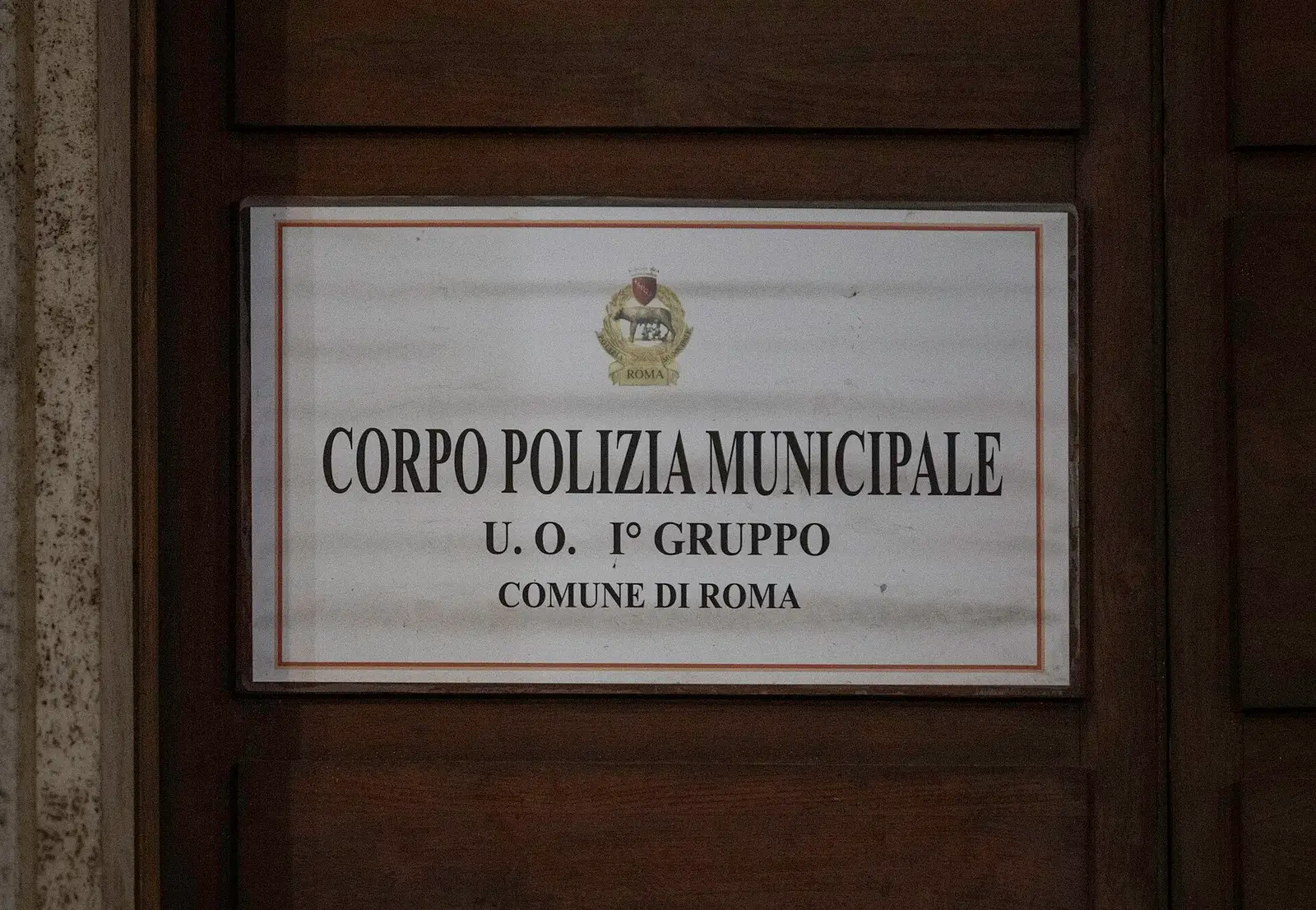
What happens if nobody is home during the Polizia Locale check is not described in official Rome sources. Practical advice, not a rule: put your name on the doorbell and the mailbox, and stay reachable by phone and email.
5. How do foreign residents get the carta d'identità in Rome?
Once you are resident in Rome, you book the electronic identity card (CIE) on the Ministry of the Interior portal, bring your passport and permesso di soggiorno to the appointment, pay at the Municipio and receive the card within 6 working days.
Step 1: book on the Ministry portal
Book the CIE at prenotazionicie.interno.gov.it (opens in a new tab), in any Municipio. In Rome it is not booked through TuPassi (Roma Capitale (opens in a new tab)). Confirm the booking when the reminder email arrives, or it is cancelled.
Step 2: bring your passport and permit, and pay
As a non-EU citizen you must bring your passport and permesso di soggiorno (Roma Capitale (opens in a new tab)). Payment is by card or pagoPA: check with your Municipio.
Electronic identity card in Rome (as of October 2026)
| Electronic identity card (CIE) in RomeEUR 27.37 to replace a lost or stolen cardSource (opens in a new tab), checked Oct 10, 2026 | 22.21 EURabout 75 TND |
|---|
Estimates as of October 2026; check the source before you pay. Dinar amounts use the BCT rate of 3.3671 TND per euro (Oct 7, 2026).
Step 3: receive the card
The CIE is delivered within 6 working days, to your home or for pick-up at the Comune (Ministry of the Interior (opens in a new tab)).
What the CIE is really good for: an Italian ID to show in Italy, and Entra con CIE, the login to public online services with an 8-digit PIN and an NFC phone (Ministry of the Interior (opens in a new tab)).
6. How do you keep your residenza after each permit renewal?
After each renewal of your permesso di soggiorno, renew your dichiarazione di dimora abituale at the anagrafe within 60 days, with the new permit (DPR 223/1989, art. 7). You keep your registration while the permit is being renewed.
If you forget to renew the dichiarazione di dimora abituale, the Comune can cancel your residenza one year after your permit expires, after a notice giving you 30 days to act. If the anagrafe refuses a residenza request, you can appeal to the Prefetto within 30 days.
Frequently asked questions
Is residenza mandatory for international students in Rome?
No, residenza is not strictly mandatory for a student in Rome, but it is useful if you stay for your whole degree. As a resident you can request anagrafe certificates and the electronic identity card (CIE). For the national health service, ASL Roma 1 accepts a self-declaration of residence or of effective dimora, so the voluntary registration does not depend on residenza alone.
How long does residenza take in Rome?
Residenza in Rome takes up to 45 days to be confirmed. The Comune di Roma registers you within 2 working days, and your residence counts from the day you declared it. The Polizia Locale then checks the address within 45 days; if you receive no preavviso di rigetto (notice of rejection) in that time, the residenza is confirmed by silenzio-assenso.
Can I travel in Europe with an Italian identity card?
No, not as a foreign citizen. For a non-EU resident, the Italian electronic identity card (CIE) is only an identity document and is not valid for travel abroad. To travel in the Schengen area, carry your valid passport and your valid permesso di soggiorno, and stay at most 90 days in any 180-day period.
Is TuPassi used to book the identity card in Rome?
No. In Rome, TuPassi books anagrafe counters, for example to hand in the residence declaration, and each Municipio uses TuPassi differently. The electronic identity card (CIE) is booked only on the Ministry of the Interior portal, prenotazionicie.interno.gov.it, in any Municipio. Confirm the booking when the reminder email arrives, or the appointment is cancelled.
Can I send my residenza request by email?
No, Roma Capitale has not accepted residenza requests by plain email since 1 March 2022. Send the signed form and all attachments in one PDF by PEC or by registered post, apply online with SPID, CIE or CNS, or go to the anagrafe counter. Use only one channel, because sending the same request twice slows everything down.
How much does residenza cost in Rome?
Nothing: the residenza declaration in Rome is free. The only cost that usually follows is the electronic identity card (CIE), which costs EUR 22.21 in Rome, or EUR 27.37 if you lost your previous card. Payment for the CIE is by card or pagoPA, so check which one your Municipio accepts before the appointment.
Official sources
- Roma Capitale: change of residence (form and Allegato A) (opens in a new tab)
- Roma Capitale: online change of residence (SPID, CIE, CNS) (opens in a new tab)
- Roma Capitale, Municipio XIII: residence guide (PDF) (opens in a new tab)
- Roma Capitale: TuPassi booking system (opens in a new tab)
- Roma Capitale, Municipio VIII: demographic services charter (PDF) (opens in a new tab)
- ANPR: change of residence (opens in a new tab)
- Normattiva: DL 5/2012, art. 5 (residence in real time) (opens in a new tab)
- DPR 223/1989 (anagrafe regulation, PDF) (opens in a new tab)
- Roma Capitale: CIE booking (not via TuPassi) (opens in a new tab)
- Roma Capitale: CIE cost (opens in a new tab)
- Roma Capitale: electronic identity cards (PDF) (opens in a new tab)
- Ministry of the Interior: CIE issue and renewal (opens in a new tab)
- Ministry of the Interior: Entra con CIE (opens in a new tab)
- ASL Roma 1: health care for non-EU citizens (opens in a new tab)
- EUR-Lex: Schengen Borders Code, Regulation (EU) 2016/399 (opens in a new tab)
- Your Europe: travel documents for non-EU nationals (opens in a new tab)