Studies
Student Housing in Rome for Tunisian Students
DiSCo residences, university housing services, rooms in shared flats and how to avoid rental scams
In short On this page
Student housing in Rome comes through three routes, from cheapest to most expensive: a DiSCo residence (requested only in the yearly DiSCo scholarship application, about EUR 200-298 a month deducted from the grant in 2026/27), the housing services of Sapienza, Tor Vergata and Roma Tre, and a private room found on platforms such as HousingAnywhere, Uniplaces, Spotahome, Immobiliare.it, Idealista or Subito. Never pay before seeing the room, and make sure the lease is registered with the Agenzia delle Entrate within 30 days.
Where will you live when you arrive in Rome, and how do you find a room without being scammed?
In short: the cheapest student housing in Rome is a DiSCo residence, which you can only request in the yearly DiSCo scholarship application. If you do not get one, use your university's housing service, then the rental platforms. Whatever you choose, see the room before paying, get a written contract and a receipt for every payment.
This is the last part of our guide to studying in Italy for Tunisian students. The earlier parts cover the application, the documents, the scholarship, the visa and your first steps in Rome. This part is about finding a place to live.
1. What are DiSCo residences and how much do they cost?
DiSCo residences are the cheapest student housing in Rome: in 2026/27 a place cost about EUR 200-298 a month, deducted from the DiSCo scholarship. DiSCo, the Lazio regional agency for the right to study, runs these residences. There is no separate application: you ask for a place in the same online application as the scholarship, and the same DiSCo scholarship eligibility and income rules apply.
- Cost: in 2026/27, about EUR 200-298 a month, deducted from your DiSCo scholarship (EUR 700 is taken from the first scholarship instalment).
- When: places usually start from around mid-October, for up to 10 months (check the bando for your year).
- Where: residences across Rome, for example Antonio Ruberti, Ezio Tarantelli, Falcone e Borsellino, Giulio Regeni, Valco San Paolo, Valleranello and Tor Vergata. The full list is on the DiSCo residences page (opens in a new tab).
- Timing: the 2026/27 housing results are already out. Plan for 2027/28: the application is expected around June-July 2027, with housing rankings around mid-September (check the 2027/28 call).
If you win a place, DiSCo sends a message to your personal area with the residence. Answer in time: refusing or not replying means you lose the DiSCo residence place for that year. If you are eligible but not placed, the DiSCo housing ranking moves automatically, usually about every two weeks, so keep checking your messages.
2. How can Sapienza, Tor Vergata and Roma Tre help you find housing?
Sapienza, Tor Vergata and Roma Tre, the three big public universities in Rome, do not guarantee you a room, but each one runs a housing service that helps you look. Contact your university's housing service as soon as you are admitted.
Sapienza
Open the Sapienza student housing page (opens in a new tab). It lists the housing options and the Sturent desk, a service that helps students find rooms. Read the page before writing, so your questions are specific.
Tor Vergata
Open the Tor Vergata housing page (opens in a new tab), then write to housing@uniroma2.it with your name, course and arrival date. Check the Tor Vergata page for student discount codes on rental platforms.
Roma Tre
Roma Tre has a free accommodation service (opens in a new tab). Write to accommodation@uniroma3.it to ask for help, and look on the page for platform discount codes.
3. How do you find a room or a shared flat in Rome?
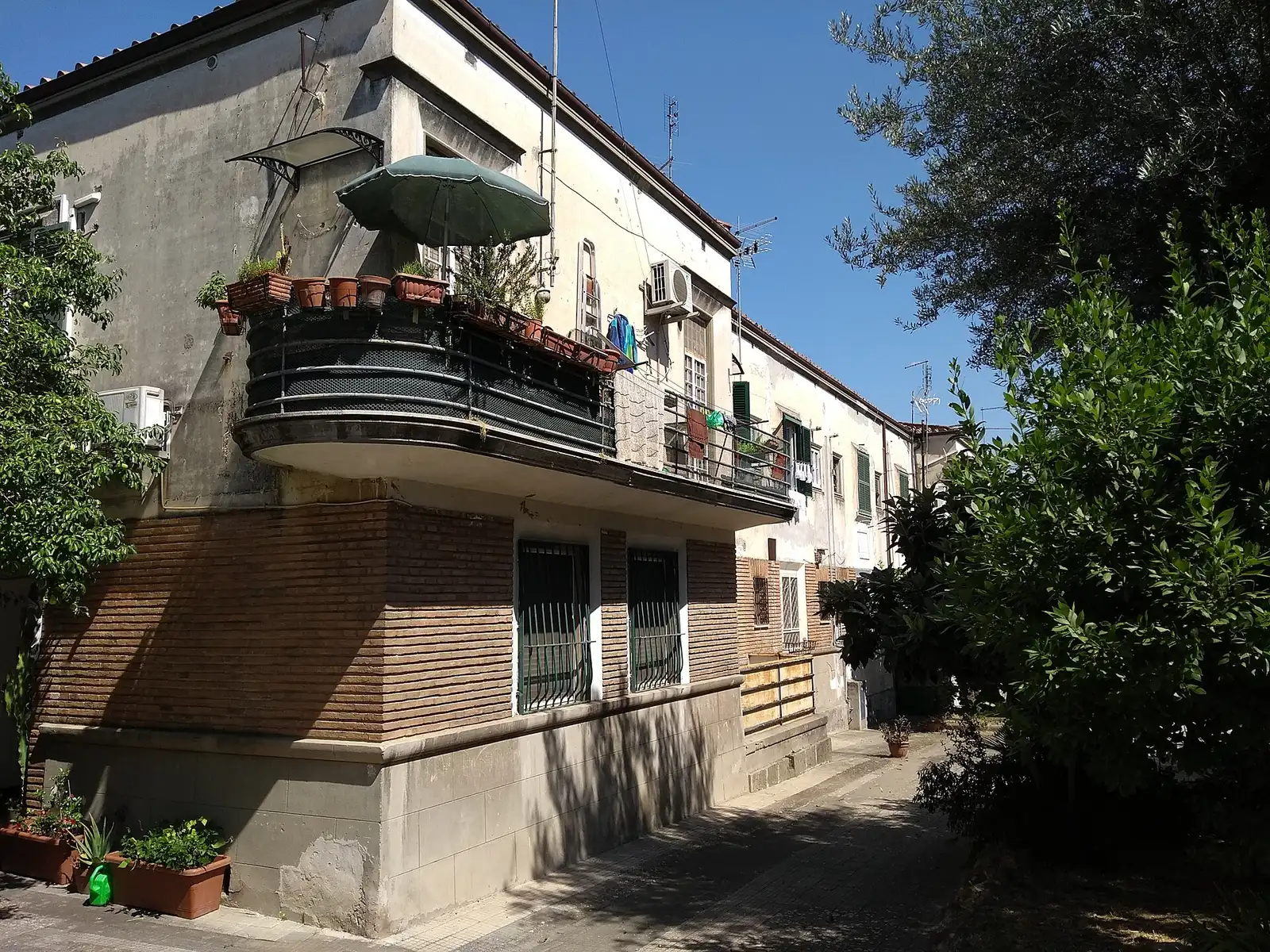
Most students in Rome rent a room in a shared flat, found through a rental platform or a university housing desk. These are the usual places to look for a room in Rome:
| Option | Good for | Watch out |
|---|---|---|
| DiSCo residence | Lowest cost, if you win the scholarship | Only through the yearly call; not proof for the visa |
| University housing desk | Advice and trusted contacts | Help to search, not a guaranteed room |
| HousingAnywhere (opens in a new tab), Uniplaces (opens in a new tab), Spotahome (opens in a new tab) | Booking from Tunisia before you arrive | Read the cancellation rules and platform fees |
| Immobiliare.it (opens in a new tab), Idealista (opens in a new tab) | Many listings, rooms and whole flats | Mostly in Italian; check who the advertiser is |
| Subito (opens in a new tab) | Rooms from private owners | Most scams happen on open classifieds: never pay before seeing |
Rents in Rome vary a lot by area and by month. Do not trust a figure you read online: check current listings for the neighbourhood near your faculty.
What should you ask before signing a lease in Rome?
- Contract type: is it a written lease, and for how long? Ask for a contract that matches your study period.
- Deposit: how much, and when exactly will it be returned?
- Bills: are electricity, gas, water, internet and building fees included, or split between flatmates?
- Registration: who registers the lease, and when? Either party can do it, and both are liable for the tax. You need a registered lease for many procedures, such as registering your residenza in Rome.
A new lease must be registered with the Agenzia delle Entrate (opens in a new tab) within 30 days. Either the owner or the tenant can register it, and both are jointly liable for the tax; usually the owner does it, so ask for proof of registration and keep a copy. To sign a lease you may need a codice fiscale: you can get one at any Agenzia delle Entrate office (see how to get your codice fiscale).
Lease registration tax
| Lease registration tax (2% of yearly rent, minimum)Plus a EUR 16 stamp per copy for every 4 pages. Landlord and tenant are jointly liableSource (opens in a new tab), checked Oct 10, 2026 | 67 EUR |
|---|
Estimates as of October 2026; check the source before you pay.
Where can you stay during your first weeks in Rome?
Many students book a hotel, a hostel or a short stay for their first weeks in Rome, then look for a room on the spot. A hotel booking also covers the visa: the student visa needs proof of accommodation for the first period, either a hotel booking or a hospitality declaration from someone who hosts you. Visiting rooms in person is the safest way to choose.
4. How do you avoid rental scams in Rome?
To avoid rental scams in Rome, see the room, or go through an authorised agency, and never pay in advance without guarantees: that is the one rule in the Polizia Postale's advice on rental scams (opens in a new tab). Students who look from abroad are the easiest targets.
- See the room in person, or ask for a live video call where the owner shows the room and an ID document.
- Never pay a deposit or rent before you have seen the room and the contract.
- Refuse payment by Western Union, money transfer services, gift cards or crypto.
- Get a written contract and a receipt for every payment.
- Be wary of a rent far below the others in the same area, or an owner who is "abroad" and in a hurry.
- Check that the owner's name matches the contract and the payment account.
Frequently asked questions
How do I find student housing in Rome?
Start with a DiSCo residence, the cheapest option, which you request in the yearly DiSCo scholarship application. If you do not get a place, ask the housing service of Sapienza, Tor Vergata or Roma Tre, then search platforms such as HousingAnywhere, Uniplaces, Spotahome, Immobiliare.it, Idealista and Subito. Many students book a hotel or a short stay for the first weeks and visit rooms in person.
How much does a DiSCo residence cost in Rome?
About EUR 200-298 a month in 2026/27. DiSCo Lazio deducts the residence cost from your DiSCo scholarship, and EUR 700 is taken from the first scholarship instalment. DiSCo residence places usually start from around mid-October, for up to 10 months, so check the bando for your year.
Can I apply for a DiSCo residence without the scholarship?
No. DiSCo Lazio has no separate housing application: you request a residence place in the same online DiSCo application as the scholarship, with the same income rules and deadlines. For 2027/28, the DiSCo application is expected around June-July 2027, with housing rankings around mid-September; confirm the dates in the 2027/28 call.
Do I need a codice fiscale to rent a room in Rome?
Usually yes. Owners in Rome need your codice fiscale for the lease and for registering it with the Agenzia delle Entrate. You can get a codice fiscale at any Agenzia delle Entrate office with your passport and visa, so get it before you sign a lease.
Who registers a rental contract in Rome, and by when?
Either the owner or the tenant can register a new lease with the Agenzia delle Entrate, and it must be registered within 30 days. Both parties are jointly liable for the registration tax. Usually the owner registers the lease, so ask for proof of registration and keep a copy: you need a registered lease for many procedures.
How do I avoid rental scams in Rome?
Never pay before you have seen the room, in person or in a live video call where the owner shows the room and an ID document. Refuse payment by Western Union, money transfer services, gift cards or crypto. Check that the owner's name matches the contract and the payment account, and get a written contract and a receipt for every payment.
Official sources
- DiSCo Lazio: university residences (opens in a new tab)
- DiSCo Lazio: right-to-study call 2026/27 (English) (opens in a new tab)
- Sapienza: student housing (opens in a new tab)
- Tor Vergata: housing (opens in a new tab)
- Roma Tre: accommodation service (opens in a new tab)
- Agenzia delle Entrate: registering a new lease (opens in a new tab)
- Polizia di Stato: advice on rental scams (opens in a new tab)