Studies
Residence Permit for Study in Italy: Arriving in Rome
Your first 30 days as a Tunisian student: the permit kit, codice fiscale, enrolment, DiSCo and a first budget
In short On this page
You apply for a residence permit for study in Italy within 8 working days of arrival, by sending the yellow-band kit from a post office with a Sportello Amico desk (about EUR 116.46 in 2026), and the codice fiscale is assigned with that application. With the post office receipt you then open an account, finalise enrolment at your university, send the enrolment papers to your bank in Tunisia and complete your DiSCo steps.
- 1. What should you do in your first 30 days in Rome?
- 2. How do you apply for a residence permit for study in Italy?
- 3. How do you get a codice fiscale as a student in Italy?
- 4. Why do you need an IBAN in your first weeks?
- 5. How do you finalise enrolment and your DiSCo file after arrival?
- 6. How much money do you need for your first month in Rome?
- 7. Can you work with a student residence permit in Italy?
- Frequently asked questions
- Official sources
You have landed in Rome with your study visa. What do you have to do, and in what order, during your first month?
The short answer: within 8 working days of arrival, request your residence permit for study (permesso di soggiorno per studio) at a post office. Your codice fiscale comes with that application, and the post office receipt lets you open an account, finalise enrolment and complete your DiSCo steps.
This is part 6 of our guide to studying in Italy for Tunisian students. It starts where the Italy student visa guide for Tunisian students ends: your first 30 days in Rome, step by step.
1. What should you do in your first 30 days in Rome?
In your first 30 days in Rome, the residence permit for study comes first: send the post office kit within 8 working days, then open an account, finalise enrolment and complete your DiSCo steps, in this order:
- Within 8 working days: send the residence permit kit from a post office.
- Only if a landlord or bank needs it sooner: get your codice fiscale at the Agenzia delle Entrate.
- Open a Postepay Evolution card or a bank account.
- Finalise enrolment at your university.
- Send the enrolment papers to your bank in Tunisia.
- DiSCo: upload the permit receipt, book a partner CAF, sign the ISEEUP, add your IBAN and PEC.
- Choose your health cover, then look for student work.
2. How do you apply for a residence permit for study in Italy?
You apply for the residence permit for study (permesso di soggiorno per studio) at a post office with a Sportello Amico desk, within 8 working days of entering Italy (Polizia di Stato (opens in a new tab)). The application takes four steps: the kit, the documents, the payment and the Questura appointment.
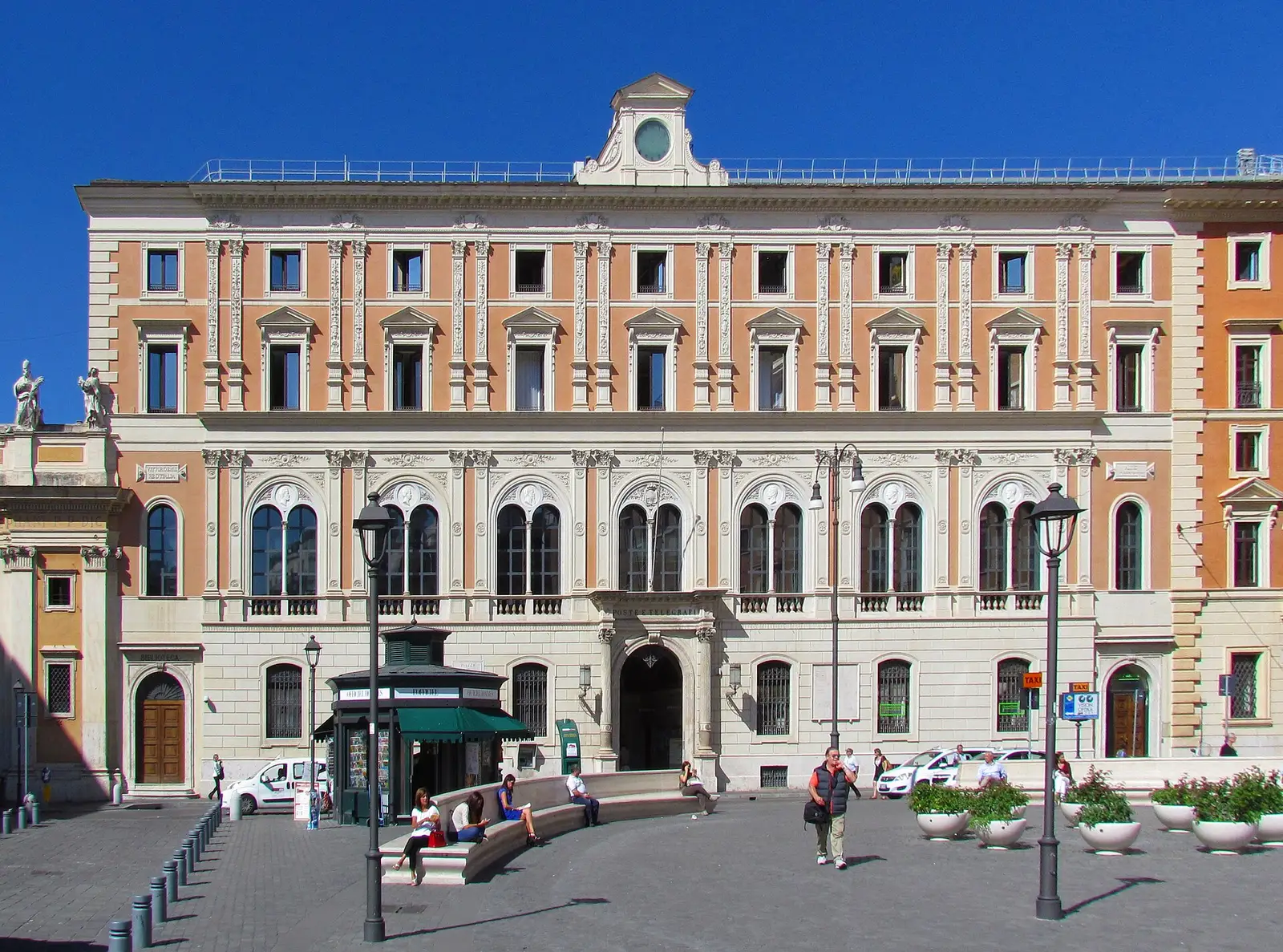
Step 1: get the yellow-band kit
Go to a post office with a Sportello Amico desk and ask for the residence permit kit, the envelope with a yellow band. Poste Italiane (opens in a new tab) explains how to fill it in. Write your name exactly as in your passport.
Step 2: put the right documents in the envelope
- The completed application form from the kit.
- A copy of your passport, including the page with your visa.
- A copy of your health insurance, valid for the whole length of the permit, and proof of your means (your international office can confirm the full list).
- A EUR 16 revenue stamp (marca da bollo), bought at a tobacconist.
Step 3: pay and keep the receipt
What the residence permit application costs at the post office
For a permit of more than 1 year and up to 2 years the contribution is EUR 50, so the total becomes EUR 126.46. Ask at the counter which payment methods are accepted.
| Revenue stamp (marca da bollo)Bought at a tobacconist (tabaccheria)Source (opens in a new tab), checked Oct 10, 2026 | 16 EUR |
|---|---|
| Post office handling feeSource (opens in a new tab), checked Oct 10, 2026 | 30 EUR |
| Electronic permit cardSource (opens in a new tab), checked Oct 10, 2026 | 30.46 EUR |
| Permit contribution (3 to 12 months)EUR 50 for a permit of more than 1 year and up to 2 yearsSource (opens in a new tab), checked Oct 10, 2026 | 40 EUR |
| Total | 116.46 EUR |
Estimates as of October 2026; check the source before you pay. How to pay these fees from Tunisia
The post office clerk gives you a receipt with a username and password. Keep the receipt with your passport: your university, the bank and DiSCo will ask for it.
Step 4: go to the Questura for fingerprints
At the post office you also receive a convocation letter with your appointment at the Questura, where your fingerprints are taken. Check the status of your permit on the Polizia di Stato permit portal (opens in a new tab) with your receipt details. The Polizia di Stato gives about 60 days for processing; Sapienza warns it can take about 90.
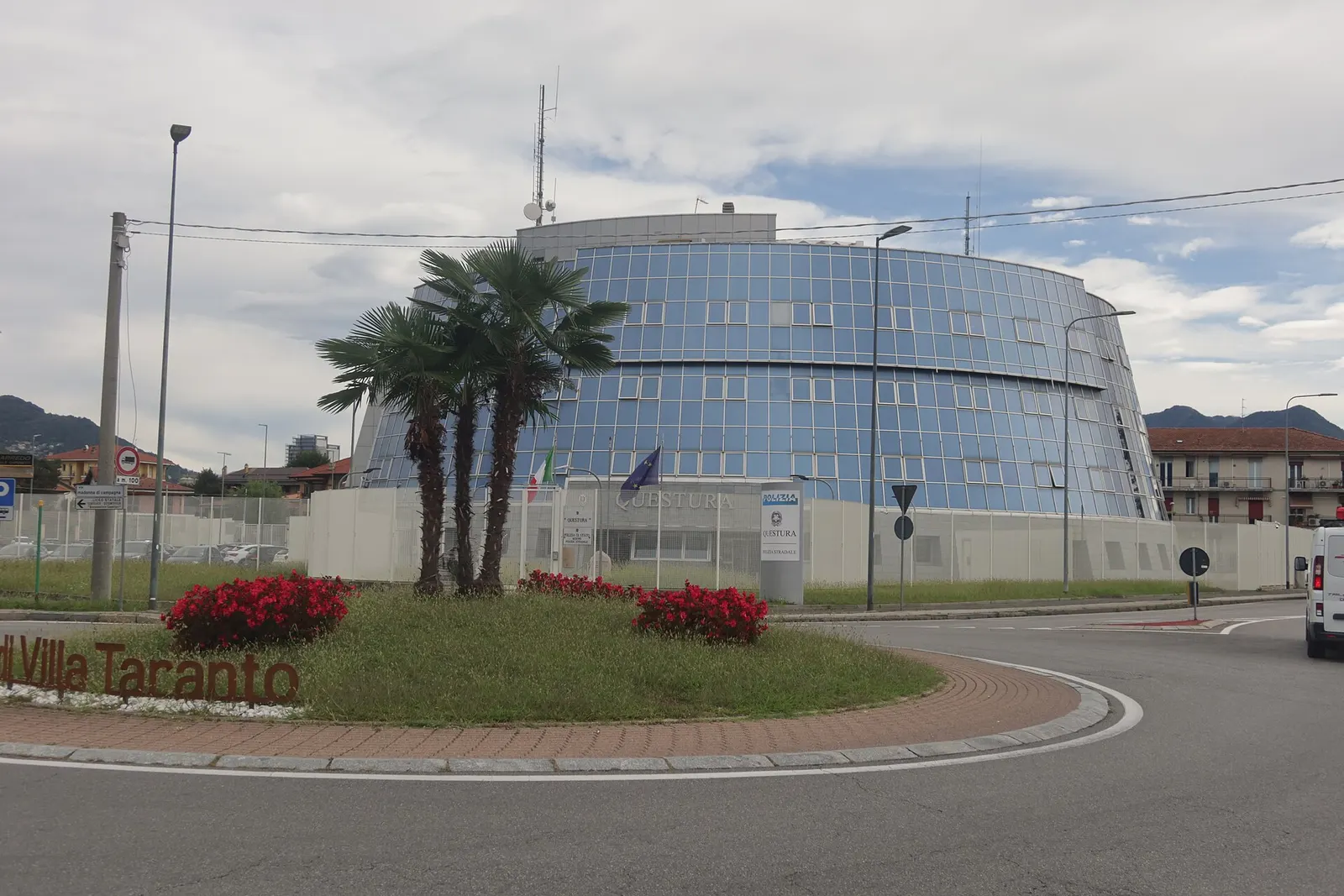
Sapienza students can get help on campus: its residence permit page (opens in a new tab) lists the campus police desk and the Questura immigration office (Via Teofilo Patini 23).
Once you have a lease and your permit receipt, you can also register your residence at the Rome anagrafe, a separate step explained in how to apply for residenza in Rome.
3. How do you get a codice fiscale as a student in Italy?
Usually you do not request the codice fiscale: the Questura assigns it with your residence permit application. The codice fiscale is your Italian tax code, needed for a lease, a bank or a phone contract.
If you need it earlier, go to any Agenzia delle Entrate office with form AA4/8 and your passport with the visa. The Agenzia delle Entrate leaflet for foreign citizens (opens in a new tab) explains the procedure. At Sapienza, the HELLO desk can help you with the forms.
4. Why do you need an IBAN in your first weeks?
You need an Italian IBAN in your first weeks because DiSCo, your rent and any salary all go through it.
Your options are a bank (Intesa Sanpaolo and others), an online account (Revolut, Wise) or the Postepay Evolution prepaid card with an IBAN. Banks ask for your codice fiscale. The documents, the order to try them in and what to do if a branch refuses are in how to open a bank account in Italy as a student.
Postepay Evolution costs
| Postepay Evolution card (issue)Source (opens in a new tab), checked Oct 10, 2026 | 5 EUR |
|---|---|
| Postepay Evolution yearly feeSource (opens in a new tab), checked Oct 10, 2026 | 19 EUR / year |
Estimates as of October 2026; check the source before you pay.
According to the Banca d'Italia (opens in a new tab), anyone legally staying in the EU has the right to a basic account (conto di base), and its August 2026 guidance tells banks to accept the residence permit receipt for this account.
5. How do you finalise enrolment and your DiSCo file after arrival?
Enrolment at a Rome university is complete only once the university has checked your original documents, and Sapienza, Tor Vergata and Roma Tre each organise that check differently:
- Sapienza: send your permit receipt to the International Student Office (opens in a new tab), then book the check of your original documents.
- Tor Vergata: show your visa, originals and permit (or receipt) at the International Students Office, then pay the first instalment (documents required (opens in a new tab)).
- Roma Tre: book an appointment at the foreign-qualifications office, Via Ostiense 129, and bring your originals (non-EU enrolment (opens in a new tab)).
Unlock the monthly transfers from Tunisia
Once you are enrolled, send the enrolment papers to your bank in Tunisia. The bank can then let your parents transfer up to 4,000 TND a month (about EUR 1,188 at the BCT rate of 7 October 2026), as explained in the blocked account section.
Complete your DiSCo steps
- Upload your residence permit or the post office receipt in your DiSCo Profile by about 1 December if you requested housing, otherwise by about 10 February (check the 2027/28 call).
- Book an appointment at a DiSCo partner CAF (opens in a new tab) and sign your ISEEUP by about 10 December (check the 2027/28 call).
- Add your IBAN and a PEC (certified email) address in your Profile.
If the ISEEUP is done correctly, the first payments follow; see when DiSCo pays the scholarship.
Choose your health cover
You do not have to register with the national health service (SSN), which costs about EUR 700 a year (Tor Vergata, 2024 (opens in a new tab)): private health insurance valid in Italy for the whole length of your permit is accepted instead. In my experience, a health insurance policy taken in Tunisia, for example through your Tunisian bank when you open your study file, replaces the EUR 700 SSN registration; check that it covers Italy for the whole permit period. Check the current SSN amount with your ASL or university.
SSN registration fee (only if you choose it)
| National health service (voluntary registration)Covers the calendar year to 31 December, paid with an F24 formSource (opens in a new tab), checked Oct 10, 2026 | 700 EUR / year |
|---|
Estimates as of October 2026; check the source before you pay.
6. How much money do you need for your first month in Rome?
Your first month in Rome runs on the installation allowance: your bank in Tunisia can send up to 6,000 TND per academic year (about EUR 1,782 at the BCT rate of 7 October 2026). The monthly transfers only start after your enrolment papers reach the bank, so the installation allowance must last until then.
| Item | Cost | Tip |
|---|---|---|
| Residence permit kit | About EUR 116 (confirmed) | Pay it first, in your first week. |
| Postepay Evolution | EUR 5 + EUR 19 a year (confirmed) | Gives you an IBAN for DiSCo and rent. |
| Public transport pass | EUR 35 a month or EUR 250 a year (confirmed) | Check student offers on the ATAC website. |
| SIM card and first month | Check current prices | Compare offers before you buy. |
| Food for the month | Check current prices | Cook at home; DiSCo meals start only once the grant is assigned. |
| Room: first rent and deposit | Check current prices | Budget the first rent and the deposit together. |
| Emergency reserve | 10 to 15% of the allowance | Do not touch it unless you have to. |
Rome public transport passes (ATAC)
| ATAC monthly pass (Rome public transport)Source (opens in a new tab), checked Oct 10, 2026 | 35 EUR / month |
|---|---|
| ATAC annual passSource (opens in a new tab), checked Oct 10, 2026 | 250 EUR / year |
Estimates as of October 2026; check the source before you pay.
Buy second-hand on Subito (opens in a new tab): furniture, a bike, books. And never pay a room deposit before you have seen the room; read how to avoid student housing scams in Rome.
7. Can you work with a student residence permit in Italy?
Yes, within limits: a residence permit for study allows up to 20 hours a week, for a maximum of 1,040 hours a year (DPR 394/1999, art. 14 (opens in a new tab)). You can start working with the permit receipt (ricevuta) while you wait for the card.
Where to look (Subito, Indeed, temp agencies, university job offices), how to post your profile and how to spot fake offers: see how to find student jobs in Rome.
Frequently asked questions
How many days do I have to apply for the permesso di soggiorno?
8 working days from your arrival in Italy, according to the Polizia di Stato. You apply by sending the yellow-band residence permit kit from a post office with a Sportello Amico desk, with a copy of your passport and visa, your health insurance, proof of your means and a EUR 16 revenue stamp. The post office receipt then proves you applied until the permit card arrives.
How much does the residence permit for study cost?
About EUR 116.46 at the post office for a permit of 3 to 12 months: a EUR 16 revenue stamp, a EUR 30 postal fee and a EUR 70.46 bollettino (amounts checked October 2026). For a permit of more than 1 year and up to 2 years, the contribution is EUR 50, so the total becomes EUR 126.46. Ask at the counter which payment methods are accepted.
How do I get a codice fiscale in Rome?
Usually you do not request it: the Questura assigns the codice fiscale with your residence permit application. If a landlord or a bank needs the codice fiscale earlier, go to any Agenzia delle Entrate office with form AA4/8 and your passport with the visa. At Sapienza, the HELLO desk can help you fill in the forms.
What can I do with the residence permit receipt?
The residence permit receipt (ricevuta) proves you applied for the permit until the card arrives. Show the receipt together with your passport to open a bank account, sign a SIM contract, get the codice fiscale, sign a job contract and complete your DiSCo steps. Keep the original receipt safe and carry a copy with you.
Can I travel back to Tunisia while I wait for my permit?
It is not advised: the Italian Embassy in Tunis advises students not to leave Italy until the residence permit is issued. The Polizia di Stato gives about 60 days for processing and Sapienza warns it can take about 90, so plan trips home for after you collect your permit.
How long does it take to get the student residence permit?
About 60 days according to the Polizia di Stato, although Sapienza warns it can take about 90 days. After you send the kit, you go to the Questura appointment in your convocation letter to give your fingerprints, and you can follow the status on the Polizia di Stato permit portal with your receipt details.
Official sources
- Polizia di Stato: residence permit for study (opens in a new tab)
- Polizia di Stato: residence permit status check (opens in a new tab)
- Poste Italiane: issuing and renewing a residence permit (opens in a new tab)
- Sapienza: residence permit for study purposes (opens in a new tab)
- Agenzia delle Entrate: codice fiscale for foreign citizens (leaflet) (opens in a new tab)
- Banca d'Italia: the basic account (conto di base) (opens in a new tab)
- Poste Italiane: Postepay Evolution (opens in a new tab)
- Sapienza: International Student Office (opens in a new tab)
- Tor Vergata: documents required for enrolment with a foreign qualification (opens in a new tab)
- Roma Tre: enrolment for non-EU citizens (opens in a new tab)
- Tor Vergata: health insurance (opens in a new tab)
- DiSCo Lazio: FAQ for international students (2026/27) (opens in a new tab)
- Banque Centrale de Tunisie: circular 2025-10 (opens in a new tab)
- Normattiva: DPR 394/1999, art. 14 (student work) (opens in a new tab)
- Italian Ministry of Labour: fighting labour exploitation (opens in a new tab)